Hello traveler! This is Jhoel, your adventure guide.
In this guide, I’ll share everything you need to know about hiking the Inca Trail in January, including weather conditions, temperatures, trail safety, and whether this month is the right choice for your journey to Machu Picchu.
Can you do Inca Trail in January?
Yes, you can hike the Inca Trail in January, but it’s important to be aware that this month falls in the heart of the rainy season in the Cusco region. January offers a very different experience compared to the dry-season months, with more challenging conditions but also unique rewards.
For travelers planning their trip in 2026, January is best suited for those who are flexible, well-prepared, and comfortable hiking in wet conditions. While rain is common, the trail remains open and accessible, and the scenery is at its most vibrant.
Hiking the Inca Trail in January is possible, but it comes with some unique challenges and considerations:
January requires a realistic mindset and good preparation. Rainfall can affect trail conditions, and schedules may need to adapt to weather changes. Choosing an experienced and authorized tour operator is especially important during this time of year to ensure safety and smooth logistics.
Weather
January is part of the rainy season in the Andes. Rainfall is frequent, particularly in the afternoons and evenings, while mornings are often clearer.
-
Expect cloudy skies and occasional sunshine
-
Rain showers can be short or persistent
-
Humidity is higher than in dry-season months
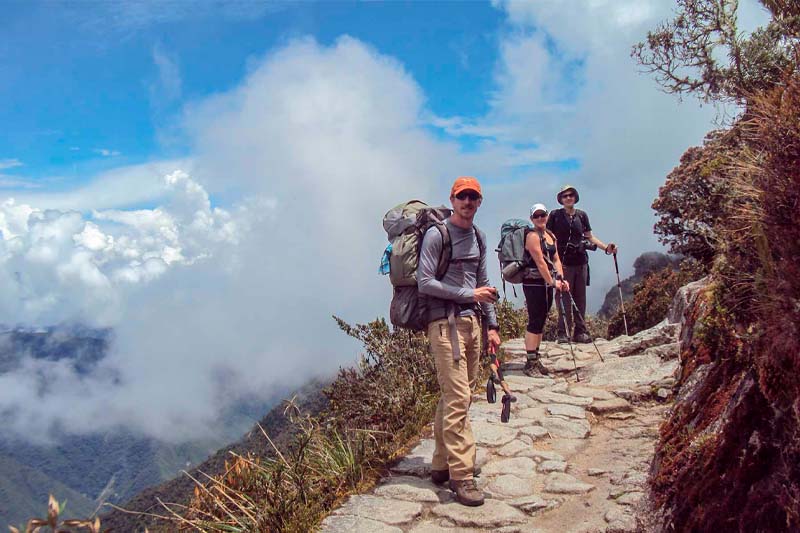
Despite the rain, January transforms the landscape into a lush, green environment. Mountains, valleys, and archaeological sites look incredibly alive, making the trek visually stunning.
How cold is the Inca Trail in January?
Temperatures on the Inca Trail in January are generally mild during the day but cold at night and in the early mornings, especially at higher elevations.
Warm sleeping gear and insulated layers are essential, particularly at campsites such as Dead Woman’s Pass.
General details of the Inca Trail in January
January offers a quieter and more intimate trekking experience. Fewer hikers choose this month due to the rain, which means less congestion on the trail and at campsites.
However, hikers should expect slower trekking days, muddy sections, and possible itinerary adjustments depending on weather conditions. For 2026, these characteristics remain consistent with previous years.
Altitude
Altitude is a critical factor regardless of the month. The highest point on the Inca Trail, Dead Woman’s Pass, reaches 4,215 meters (13,828 feet).
To reduce altitude-related issues:
-
Spend 2–3 days acclimatizing in Cusco or the Sacred Valley
-
Drink plenty of water
-
Avoid alcohol before the trek
-
Maintain a steady hiking pace
Good acclimatization significantly improves comfort and safety.
Clothing
January demands proper waterproof and quick-drying gear. Packing correctly is essential for an enjoyable trek.
Recommended clothing includes:
-
Waterproof rain jacket and rain pants
-
Backpack rain cover or poncho
-
Moisture-wicking base layers
-
Insulating mid-layers for evenings
-
Waterproof hiking boots with good traction
-
Extra socks
Layering allows you to adapt to changing temperatures throughout the day.
Trail Conditions
Trail conditions in January can be challenging. Rain often makes stone steps slippery and dirt paths muddy, requiring extra caution.
One major advantage is the reduced number of hikers. The quieter trail allows for a more peaceful experience and greater connection with nature. Occasionally, heavy rain may cause minor delays or temporary route adjustments for safety reasons.
Temperature
January temperatures are comfortable for hiking during the day but drop noticeably after sunset. Warm afternoons contrast with cold evenings, making thermal layers necessary once the sun goes down.
Being prepared for temperature changes is key to staying comfortable throughout the trek.
Guided Tours
Guided tours are highly recommended—and mandatory—on the Inca Trail. In January, experienced guides are especially valuable as they:
-
Monitor weather and trail safety
-
Adjust pace and daily schedules
-
Handle permits and logistics
-
Provide support in challenging conditions
For 2026, hiking the Inca Trail independently is not permitted; all trekkers must go with a licensed, authorized operator.
Is January a good time to hike Inca Trail?
January can be a good time to hike the Inca Trail for travelers who don’t mind rain and want a quieter, more adventurous experience. It is not ideal for those seeking dry weather or easy conditions, but it rewards prepared hikers with lush landscapes and fewer crowds.
With the right gear, realistic expectations, and a professional guide, January offers a memorable and unique journey to Machu Picchu.
Is Machu Picchu open in January?
Yes, Machu Picchu is open in January. The site operates year-round, including during the rainy season, which runs roughly from November to March.
Closures are extremely rare and only occur under exceptional safety circumstances. Rain alone does not close Machu Picchu.
Inca Trail in the coming months
If you are planning ahead for 2026, you may also want to explore how the experience changes throughout the year:
Each month offers different weather conditions, crowd levels, and trail experiences, allowing travelers to choose the timing that best fits their travel style.